
Ballerina Bet in Craps: Double Two Meaning & Payouts Explained
The Ballerina Bet is a bit of table slang players might overhear in a casino, yet its meaning is often left hanging in the air. In short, it points to a very specific way the number 4 can be made.
Here, you’ll find exactly what the term refers to, how it’s placed, what it pays, and how its odds and house edge stack up, with a clear example to make the maths easy to follow.
We’ll also clear up a few common mix-ups and then set the Ballerina Bet alongside other proposition bets so you can see where it sits among the wider options.
What Is The Ballerina Bet In Craps?
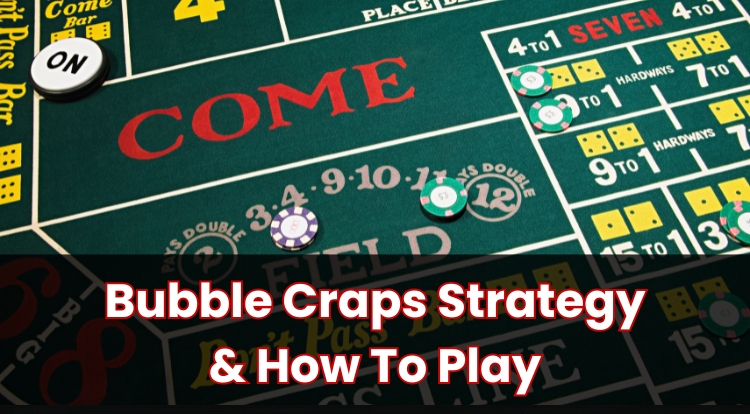
The Ballerina Bet is a nickname for the hard 4 in craps, meaning a wager on the number 4 being rolled as a pair of twos. Players sometimes call it “double two” or simply “ballerinas” to the dealer. You’ll find it in the centre of the table with the other proposition and hardways bets.
It is a hardways bet, not a standard pass or come wager. That means it stays on the table and remains active until it resolves. It wins if a 4 is rolled as 2-2 before a 7 appears or an “easy 4” (3-1 or 1-3) shows. Any 4 that is not two twos does not count for this bet.
Because it asks for a precise combination, the hard 4 carries a higher house edge than many core craps bets. That’s part of why it’s classed with the other proposition-style options.
So, how does someone actually put it on at the table?
How Do You Place A Ballerina Bet At The Table?
At a live craps table, the hardways area is managed by the dealer team in the centre. A player lets the dealer know what they want by stating the bet clearly, for example, “hard 4” or “ballerinas,” and then passing chips for the amount they wish to stake. The dealer sets the wager in the hardways box for that player’s position.
Once placed, the Ballerina Bet stays up from roll to roll. It pays if 2-2 hits, and it comes down if a 7 rolls or if an easy 4 appears. Players can ask to take it down or change the amount between rolls. Not every table uses the same slang, so being clear with “hard 4” avoids any confusion.
What exactly counts as “double two,” and what does it rule out?
What Does Double Two Mean In This Bet?
“Double two” means each die shows a two. The total is four, made exactly as 2-2. That is the only combination that wins the Ballerina Bet. If the dice land 3 and 1, it still totals four but is classed as an easy 4, which loses the hard 4.
On any single roll, there is 1 way out of the 36 possible dice outcomes to land 2-2. That rarity is why the bet sits among the more specialised options.
With that settled, how do the payouts work when it does land?
How Are Payouts Calculated For A Ballerina Bet?
The hard 4 commonly pays 7 to 1. If the dealer calls “hard 4, winner,” the player receives seven times their stake in winnings, plus their original wager back. Paytables can vary by venue, so it’s sensible to check the layout or ask the dealer before placing the bet.
Some tables also accept a one-roll “2-2 on the hop,” which is a different wager altogether with its own payouts. The figures below refer to the standard hard 4.
Example Payout Calculation For Double Two
Here’s a simple illustration using the usual hard 4 payout. Suppose a player has £2 on the Ballerina Bet when 2-2 hits.
Winnings are £2 x 7 = £14.
The original £2 stake is returned.
Total paid to the player: £14 + £2 = £16.
Payouts always follow the posted paytable and the amount staked.
Payouts are only half the story. The odds and house edge tell you how the bet stacks up over time.
What Are The Odds And House Edge For The Ballerina Bet?
Looking at a single roll, 2-2 appears 1 time in 36. As a standing hardways bet, though, it resolves only when a hard 4, an easy 4, or a 7 shows. There are eight losing combinations that can end the bet (two easy 4s and six ways to roll a 7) and one winning combination. That gives a 1-in-9 chance to win before a losing result appears.
With a typical payout of 7 to 1, the house edge on the hard 4 is about 11.11%. In plain terms, the casino holds a bigger advantage here than on many of the mainline craps bets, which is why hardways are usually treated as occasional side wagers.
Common Misconceptions About The Ballerina Bet
A frequent misconception is that any total of four wins. It does not. Only the exact 2-2 counts; 3-1 and 1-3 are easy 4s and lose the bet.
Another mix-up is thinking the Ballerina Bet is a one-roll wager. The hard 4 stays up across rolls until it wins or is knocked off by an easy 4 or a 7. The one-roll version is the separate “2-2 on the hop” bet.
Some believe the nickname comes from how the dice move. In reality, “ballerina” is simply table slang for a pair of twos, as if they are standing on their toes. Finally, availability and payouts can differ, so not every table will post or phrase the bet the same way.
How Does The Ballerina Bet Compare With Other Proposition Bets?
The Ballerina Bet sits with other proposition-style wagers that call for specific outcomes rather than broad totals or line bets. Like the rest of the hardways, it offers a higher return than the main bets when it hits, but it asks for a precise result and carries a higher house edge.
Compared with options such as any craps, snake eyes, or other hardways, the Ballerina Bet is broadly similar in profile: appealing headline wins set against lower chances of success. Players who enjoy mixing in side bets often compare paytables and house edges first, then decide how much, if anything, they want to allocate to them alongside their core bets.
If you choose to play hardways or other proposition bets with us, keep it within limits that suit you and never stake more than you can afford to lose. If gambling starts to affect your finances or well-being, support is available from independent organisations such as GamCare and GambleAware, which offer free, confidential help.
Used with care, understanding where the Ballerina Bet fits makes the whole game easier to follow and more enjoyable to watch.
**The information provided in this blog is intended for educational purposes and should not be construed as betting advice or a guarantee of success. Always gamble responsibly.