
Best & Worst Blackjack Hands – Guide to Blackjack Hand Rankings
Ready to make your next blackjack game more exciting? Understanding which hands are the best, and which ones you would rather avoid, can make a real difference to your results at the table.
Whether you are brand new to blackjack or just want a clear refresher, knowing how different hands stack up is essential before you hit, stand, split or double.
This guide breaks down the strongest and weakest hands you will see, with practical context so you can play with confidence from the very first deal.
What Is A Natural Blackjack And Why It Matters?
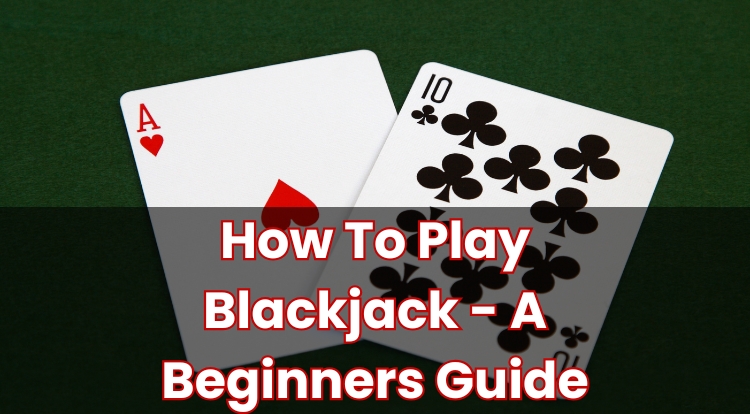
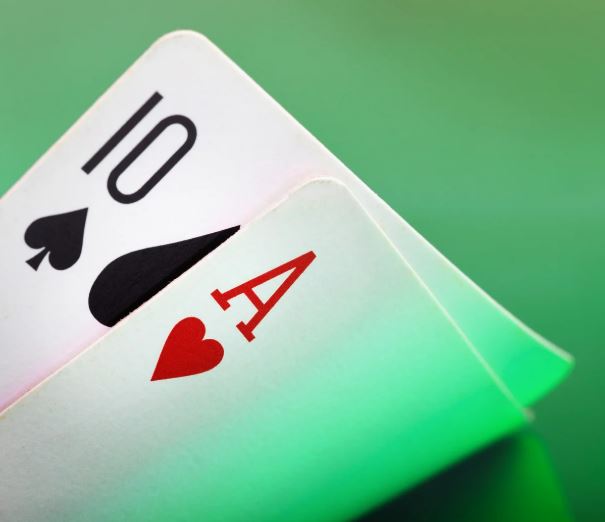
As noted above, a natural blackjack happens when your first two cards are an Ace and any 10-value card. It totals 21 with two cards and usually pays at a premium rate compared to a standard win. If the dealer also has a blackjack, the result is a push and your stake returns.
A natural also beats a 21 made with three or more cards. That ranking edge, along with the enhanced payout on most tables, is why players value it so highly.
What Are The Best Blackjack Hands?
Beyond a natural, two-card 20s are the benchmark of strength. Holding a 10 and a face card forces the dealer to reach 21 to beat you, which they will not manage often. Breaking a 20 by splitting tens usually weakens your position, so most players stand and make the dealer do the work.
Totals of 19 are close behind. A soft 19, made with an Ace and an 8, carries a little flexibility since the Ace can drop to 1 if you take another card. In most situations, especially against a dealer who is not showing a weak upcard, standing keeps you in a strong spot.
In short, these premium totals reduce your exposure to risk and put pressure on the dealer to catch up.
What Are The Worst Blackjack Hands?
Hands in the 12 to 16 range demand care. A hard 16 is the classic problem hand, because many draws will bust it, yet standing often loses to a typical dealer finish of 17 to 20. The best play can change with the dealer’s upcard, which is why players lean on basic strategy to navigate these spots.
Keeping a pair of eights together leaves you stuck on 16. Splitting them aims to turn one difficult total into two hands that can reach 18, 19 or 20 instead.
If you find yourself in these positions, take a moment to weigh the dealer’s card and follow the percentages rather than reacting to the last round.
How Do Hard Hands Differ From Soft Hands?
A hard hand contains no Ace counted as 11. Either there is no Ace at all, or the Ace must count as 1 to avoid going over 21. For example, 10 and 6 is a hard 16, and Ace, 8, 9 is a hard 18 because the Ace can only be 1 there.
A soft hand includes an Ace that currently counts as 11, such as Ace and 6 for a soft 17. The advantage is flexibility. If you draw a high card, the Ace can drop to 1 and keep you in the hand. That is why soft totals like soft 18 can sometimes be improved against stronger dealer upcards without the same bust risk you face with hard hands.
That flexibility becomes even more important when thinking about bust risk.
How Do Busts Happen And Which Hands Bust Most Often?
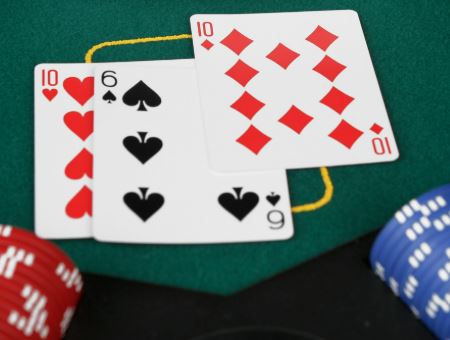
A bust happens when your cards total more than 21, which ends your hand immediately. Busts are most common when hitting from middling totals that do not give much margin for error.
Hard hands from 12 to 16 carry the highest bust risk if you draw, because many cards will push you over 21. The closer your total is to 21, the fewer safe cards remain in the deck. By contrast, soft hands can absorb a high card by switching the Ace from 11 to 1.
Avoiding unnecessary busts is about judging that risk against the dealer’s position and choosing the spot where a hit, stand, split or double gives you the best expected outcome.
How Do Pairs, Splitting And Doubling Change Hand Outcomes?
Pairs create extra options. When you split, you place a second stake and play two hands, each starting with one of the paired cards. Splitting Aces and splitting eights are the classic examples. Aces can turn into two strong starts, often with one card dealt to each hand depending on the table rules, and eights break up a poor 16.
Not every pair is worth splitting. Tens, for example, already form a powerful 20 that is best left together most of the time.
Doubling down lets you increase your stake in exchange for exactly one additional card. It suits totals like 10 or 11, especially against a dealer showing a lower or medium upcard. Some tables restrict doubling on certain totals or after a split, so check the rules before you play those options.
Used well, splitting and doubling improve your average results by putting more money behind favourable positions and stepping away from weak ones.
Dealer Play Variations That Affect Hand Strength
Dealer rules shape how often your totals will hold up. A key variation is whether the dealer hits or stands on soft 17. If the dealer stands on soft 17, more of your good totals will reach the finish line. If the dealer hits soft 17, they have an extra chance to improve, which slightly increases their average result.
Dealers follow fixed procedures. They must hit 16 or lower and stand on 17 or higher. The number of decks, whether the dealer checks for blackjack, and whether you can double after a split all influence how your hands perform across many rounds.
It pays to review the table rules first, because the next factor is how wins are paid.
Hand Ranking Rules And Payout Effects
The closer you get to 21 without going over, the stronger your hand is. A natural blackjack, made with two cards, ranks above any 21 made with more than two cards.
Most winning hands pay even money at 1 to 1, so a £10 win returns £10 profit. A natural blackjack usually pays 3 to 2, returning £15 profit on a £10 stake. Some tables pay 6 to 5 on a natural, which reduces the return. Ties, known as pushes, return your original stake.
Table signage or on-screen information shows the exact rules and payouts. A quick check helps you set clear expectations before you start.
Probabilities For Common Blackjack Hands
Understanding how often certain hands appear helps you choose the right option more consistently. A natural blackjack arrives in roughly 1 out of every 21 starting hands, just under 5 percent.
Totals of 20 are far more common. There are many 10-value cards in the deck, so two-card 20s appear regularly and perform well. By contrast, starting on totals like 16 or 15 is not unusual and is known for being tougher to manage.
These patterns explain why basic strategy recommends standing on strong made totals and taking selective risks with weaker ones, rather than relying on hunches.
Play Blackjack Online at 666 Casino
Explore blackjack at 666 Casino and find tables that suit every pace, from traditional formats to live dealer play and multi-hand options. You can pick a table with rules you prefer and settle in for clear, quick gameplay.
666 Casino is licenced by the UK Gambling Commission (UKGC), which ensures a safe and secure blackjack experience.
If want to play blackjack online, choose a table and check the rules panel. We aim to offer a secure, straightforward place to enjoy blackjack.
**The information provided in this blog is intended for educational purposes and should not be construed as betting advice or a guarantee of success. Always gamble responsibly.