
Croupiers Spin: Can Dealers Influence Where the Roulette Ball Lands?
Roulette is one of the most recognised casino games, drawing in players with its spinning wheel and bouncing ball. Many people wonder if the croupier, or dealer, might have any impact on where the ball lands. It is a question that keeps coming up: can skill or intention from the person spinning the wheel affect the game’s outcome?
This blog post explores how the roulette wheel works, whether a dealer’s actions might influence the results, and what “dealer signature” means. It also looks at the steps casinos take to keep the game fair, what evidence exists on dealer manipulation, and whether electronic wheels provide greater fairness.
You will also find signs that a wheel may not be working as it should, the legal consequences for tampering, and why claims about dealer influence are often treated with scepticism. Understanding these points helps support an informed approach to playing roulette and other casino games.
How Does A Roulette Wheel Work?
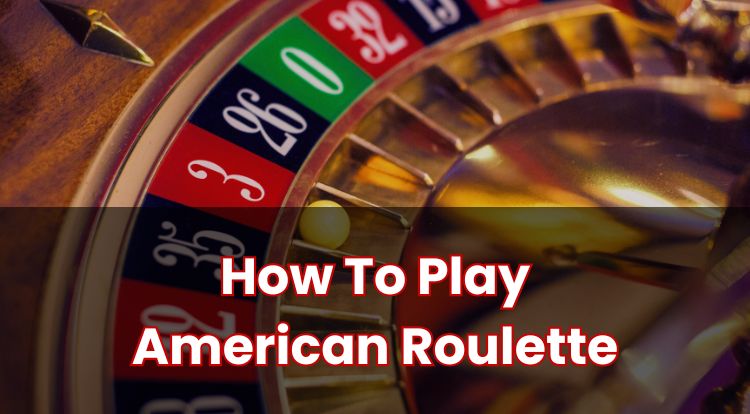
A roulette wheel has numbered pockets, usually from 0 to 36, with each number shown in either red, black, or green. The layout depends on whether it is a European (single zero) or American (double zero) wheel.
Before the spin, players place bets on a mat showing possible numbers and groups. Once bets are settled, the dealer spins the wheel in one direction and rolls a small ball in the opposite direction along the wheel’s rim.
As gravity and friction slow the ball, it drops from the track and hits metal deflectors before bouncing between frets into a pocket. Those deflections and the small bumps on a well-made wheel are there to scatter the ball so that results do not follow a simple pattern.
Roulette outcomes are random. Neither player decisions nor dealer actions can guarantee where the ball will land.
Can A Dealer’s Spin Change Where The Ball Lands?
A common question is whether a dealer’s spin might influence the result of a roulette game. In a standard casino setting, dealers are trained to spin the ball and wheel in a consistent manner. Several variables still affect the final position of the ball, such as the speed of the spin, the angle, the bounce, the deflectors, and small differences in the surface of the wheel and ball track.
Even with practice, it is extremely difficult for a dealer to predict or decide which pocket the ball will land in. The wheel keeps rotating while the ball travels, so two spins delivered with similar force will still line up with a different number sequence each time. Minor differences in how the ball or wheel are spun can cause large changes in the results once the ball hits the deflectors.
This idea often leads people to ask about so-called habits or patterns.
What Is Dealer Signature And Is It Real?
“Dealer signature” is the suggestion that a roulette dealer might develop a subtle pattern when spinning the wheel and ball. Some believe that if a dealer regularly uses a similar speed or technique, the ball might land in certain areas more often than others.
In practice, reliable dealer signatures are not supported by strong evidence in properly managed casinos. To produce a usable pattern, a dealer would need tight control over ball deceleration, wheel speed and release timing. These are influenced by temperature, ball material, routine wheel cleaning and tiny manufacturing tolerances, all of which vary from spin to spin. Casinos also alternate spin directions and rotate croupiers, which further breaks up any habit.
Casinos keep a close watch on game fairness and train croupiers to avoid even the appearance of a pattern. Most experts agree that “dealer signature” does not provide a dependable edge for predicting outcomes.
If influence by habit is unlikely, what do casinos actively do to make sure it stays that way?
How Do Casinos Prevent Dealer Influence?
Casinos use several methods to keep roulette fair and free from dealer influence.
Firstly, dealers receive thorough training. They are taught to spin the wheel and ball in a consistent manner, to alternate directions, and to follow clear procedures for accepting and closing bets.
Roulette wheels are regularly inspected and maintained. Checks confirm that the wheel is level, the bearings run smoothly, the frets and deflectors are secure, and the ball track is clean. Even minor faults can affect results, so routine maintenance matters.
In many venues, surveillance cameras monitor both dealers and equipment. Operations teams can review footage and game data to look for unusual behaviour or patterns. Casinos often rotate croupiers between tables, too, so the same person is not dealing at one wheel for long.
With these protections in place, proven cases of spin manipulation are rare.
What Evidence Exists Of Dealer Manipulation?
Cases of confirmed dealer manipulation in reputable, regulated casinos are extremely rare. Surveillance, procedural controls and audits make it difficult for anyone to interfere with the outcome of a roulette spin without being noticed.
Stories about dealers influencing results do surface, but they are usually based on misunderstandings or short-term streaks that happen naturally. Where wrongdoing has been found, it tends to involve collusion or mechanical tampering rather than a dealer steering outcomes with a particular spin.
Modern casinos also use statistical monitoring to flag irregularities. If a wheel or table shows unusual results over time, it is investigated and, if needed, removed from service.
Some players assume automation makes the question disappear entirely. Does it?
Are Electronic And Automated Wheels Safer?
Electronic and automated roulette wheels are common in casinos and online. Mechanical or digital systems spin both the wheel and the ball, with no human input during each round.
By removing the dealer from the process, any possible influence from human behaviour is removed. Automated wheels are programmed to follow consistent procedures and often include sensors that track performance. Persisting irregularities typically trigger maintenance checks.
In online roulette, random number generators are used instead of physical wheels. These are tested by independent agencies to ensure outcomes remain unpredictable within agreed standards.
Automation reduces the chance of human involvement, though any physical or digital system still needs regular testing and upkeep. So how can anyone tell if a particular wheel is not behaving as it should?
Signs A Wheel May Be Biased Or Compromised
A biased or compromised roulette wheel is one that does not produce truly random results, usually because of physical faults or wear and tear.
Possible signs include the same small group of numbers appearing more often than would be expected over a large sample of spins. True bias, when it occurs, tends to reveal itself over thousands of results rather than within a single short session.
Other indicators can be visible: missing or loose frets, a wobbling wheel head, a track that is not level, dents on the ball track, or damage to deflectors. Any of these can affect how the ball drops and scatters.
Casinos regularly check and maintain their equipment. When a fault is found or even suspected, a wheel can be taken out of service and repaired or replaced.
When faults are deliberate rather than accidental, the law steps in.
Legal Consequences For Dealer Tampering
Dealer tampering in roulette involves intentionally influencing the game’s outcome, usually for personal gain or to benefit others. This is a serious offence under gambling laws in the UK and many other countries.
If a dealer is found tampering with a roulette wheel or spin, strong legal action may follow. Consequences can include criminal charges, loss of employment, fines and, in serious cases, prison sentences.
Casinos are required to report suspected or confirmed cases to regulatory authorities such as the UK Gambling Commission, which can conduct independent investigations to uphold game integrity.
Given the stakes, how should players treat bold claims about dealer influence?
How Should Players Treat Claims About Dealer Influence
Claims that dealers have a regular influence over where the roulette ball lands often appear in forums and casual conversations. People might hear stories that certain techniques or patterns can lead to predictable results.
It is sensible to approach these claims with caution. Regulated casinos follow strict procedures to ensure fairness, and outcomes in roulette are designed to be random. There is little reliable evidence that dealer influence affects results in a consistent way.
Focusing on such claims can create unrealistic expectations. Roulette is a game of chance, and no strategy or observation can guarantee a specific outcome. If you choose to play, keeping it occasional, setting personal limits that fit your circumstances and taking regular breaks can help maintain control. If gambling starts to affect your well-being or finances, seek support early. Independent organisations such as GamCare and GambleAware offer free, confidential help.
In short, the best approach is a clear-eyed one: enjoy the game for what it is, treat stories of dealer control with healthy scepticism, and make decisions that put your own limits first.
**The information provided in this blog is intended for educational purposes and should not be construed as betting advice or a guarantee of success. Always gamble responsibly.