
How to Shuffle Cards Properly: Step-by-Step Card Shuffling Guide
A well-shuffled deck is essential for fairness in any card game, whether playing for fun or in a casino. Many players are unsure about the best way to shuffle, how many times to do it, or which techniques work without damaging the cards.
This blog post explores practical methods for different shuffling styles, including the riffle, overhand, and more advanced options like the Hindu and Faro shuffles. You will also find tips on keeping cards in good condition and an overview of what methods are preferred in casinos.
By learning how to mix a deck properly, players help make games more balanced and enjoyable for everyone at the table. You will also find common mistakes to avoid, how machine shuffling compares with hand shuffling, and ways to build speed and consistency through practice.
Read on to learn more.
Why Proper Shuffling Matters In Casino Card Games?
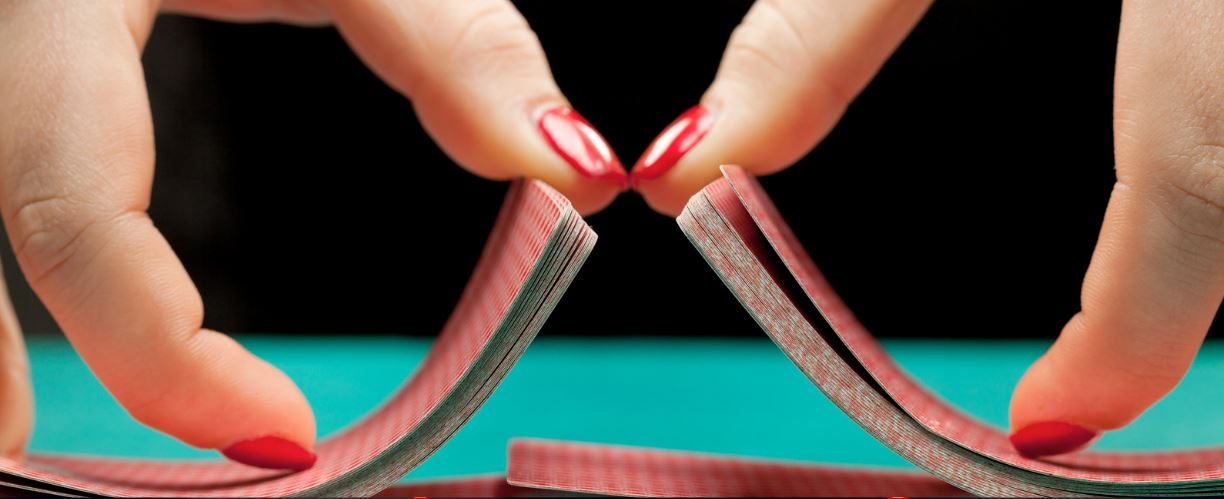
Proper shuffling plays a vital role in ensuring that every game is fair and unbiased. If a deck is not mixed well, certain cards may become easier to predict or even remain near their previous positions, which can influence decisions and outcomes.
In casino games, thorough shuffling helps ensure no one, including dealers or players, knows which card is coming next. This keeps play transparent and maintains trust at the table.
Casinos follow clear procedures to make sure each deck is thoroughly mixed, often with a set sequence of shuffles and a final cut. These practices support regulatory standards and show players that every hand begins on equal footing.
With the reasons for strong mixing in place, the next question is how much shuffling is enough to do the job well.
How Many Shuffles Are Needed To Randomise A Deck?
For a standard 52-card deck, several shuffles are normally required. Mathematical research suggests that around seven riffle shuffles are enough to randomise a deck to a practical standard. With fewer than this, noticeable patterns can linger, making the order easier to anticipate.
Other techniques, such as the overhand shuffle, move cards in smaller blocks, so they often need more repetitions to achieve a similar level of mixing.
Casinos and professional dealers build in specific counts and cuts to ensure the deck is properly prepared before play begins. For home games, aiming for about seven well-executed riffle shuffles is a useful rule of thumb.
With that benchmark in mind, it helps to understand what a well-executed riffle shuffle actually looks and feels like.
Riffle Shuffle: Step-By-Step Technique For Players
The riffle shuffle is one of the most reliable ways to mix a deck. It is common at casino tables and popular in home games because it interlaces the cards in a way that spreads groups efficiently.
Prepare The Deck For A Riffle Shuffle
The deck sits square in both hands with all cards aligned and facing the same way. A smooth, clean surface beneath the hands protects the edges and helps the cards slide evenly.
Split And Release: Interlacing The Cards
The deck is divided into two roughly equal halves, one in each hand, with fingers along the long edges. A slight upward bend gives the thumbs control. As thumb pressure eases, the halves release in short, alternating runs so the cards interlace closely. Consistent, even releases help avoid clumps and give a thorough mix.
Square, Push Through And Finish Cleanly
Once the halves have interlaced, the stack is pushed together and squared so the edges are neat and the deck sits tight again. Repeating this process several times produces a dependable level of randomisation while keeping the cards in good condition. A relaxed grip limits strain on the stock and prevents bent corners.
Overhand Shuffle: Simple Method And Common Mistakes
The overhand shuffle is straightforward and familiar in casual settings. The deck rests in one hand while the other hand pulls off small packets from the top and drops them into the receiving palm. The action cycles until all cards have transferred.
Mistakes tend to come from moving packets that are too large or too uniform. When that happens, chunks of the deck travel together and the overall order barely changes. Rushing can also bend cards or cause them to stick.
Using light, steady pressure and varying packet sizes helps the cards circulate more widely. Several passes are usually needed to approach the quality of a riffle shuffle. Many players also finish with a cut to disturb any remaining sequences.
If you are curious about other approaches that move cards in small groups, two traditional options often come up next.
Hindu And Strip Shuffles: When To Use Them In Casino Play?
The Hindu shuffle moves small packets from the top of the deck into the other hand in a continuous action. It is widely used in casual play and in some regions, but because it transfers cards in blocks it does not disrupt order as strongly as a riffle. For that reason, it is less common on UK casino tables where higher randomisation is expected.
The strip shuffle breaks the deck into several sections and reassembles them by rapidly moving these blocks from top to bottom. On its own it is not sufficient, but it becomes useful when combined with other methods. Many dealing procedures weave a few quick strip shuffles between riffles to lift apart any remaining clusters.
Together these techniques can form part of a broader routine that prepares the deck efficiently before a hand is dealt.
Faro Shuffle And Table Techniques: Advanced Options
The Faro shuffle is an advanced technique where the deck is split into two exact halves and the cards are interwoven one for one, so each card from one pile alternates with a card from the other. When executed perfectly, it can preserve or cycle the underlying order, which is why it is seen more in demonstrations or specialist practice than in everyday casino dealing.
Table techniques describe the full sequence a professional dealer uses on the layout. This often includes a mix of riffle shuffles, strip shuffles and one or more cuts. The sequence is visible to everyone and follows set counts so the preparation is consistent from shoe to shoe or hand to hand. Some venues pair these routines with a shuffling machine for added consistency and pace.
How To Shuffle Without Damaging Casino Playing Cards?
Good care helps cards last longer. Even coated paper and plastic decks can suffer if handled roughly. Shuffling over a clean, smooth surface reduces scratches and keeps edges sharp. Gentle bends, rather than sharp creases, protect the stock.
Clean, dry hands make a difference, as moisture and oils transfer to the finish and encourage cards to clump. If cards begin to stick, a light wipe with a soft, dry cloth can help. Avoid twisting or snapping motions, and let the deck settle square between shuffles to keep it in shape.
Machine shufflers reduce repeated strain on the cards, but manual shuffling can be just as safe when done with controlled, even movements.
Machine Shuffling Vs Hand Shuffling: What Do Casinos Prefer?
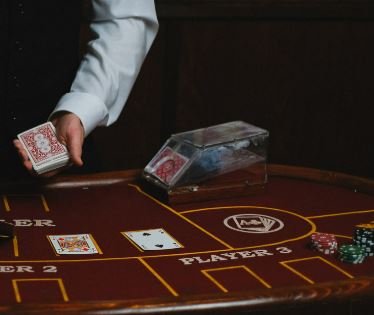
Many casinos use both machine and hand shuffling. Card Shuffling Machines offer speed and consistency, mixing to a set pattern that removes many human variables and keeps games moving. This helps prevent persistent patterns and supports even-handed play.
Hand shuffling remains common, particularly at quieter tables or in games where players prefer to see the full preparation. Some houses rotate methods during a session or combine them in the same game to maintain tempo and transparency.
Whichever approach is chosen, the aim is the same: prepare a deck that no one can track and that keeps the game flowing smoothly.
Practice Tips To Improve Shuffle Speed And Consistency
Speed follows accuracy. Starting slowly and focusing on clean interlacing, steady packet sizes and a square finish builds reliable muscle memory. A smooth, non-slip surface helps prevent snags, and practising with an older deck avoids wear on new cards.
Short, regular sessions are better than long, occasional ones. Repeating a single technique in sets, then changing pace or switching grip pressure, encourages control. Timing a minute of steady shuffles and counting completed cycles is a simple way to track progress over a few weeks.
Cuts should look and feel the same every time. That steady rhythm makes the whole sequence smoother and reduces handling errors in play.
What Shuffling Errors Do Dealers And Players Notice?
In both professional and casual settings, some errors stand out. Insufficient mixing leaves clumps intact or returns familiar sequences to the top. Mishandling, like dropping the deck or failing to interlace during a riffle, can expose cards or bend corners. Uneven shuffles that move large sections together keep too much of the original order. Technical slips, such as not squaring the deck or repeating the same partial shuffle over and over, also leave the cards poorly prepared.
If you choose to play any casino games, do so with responsible gambling practices in mind and never wager more than you are willing to lose. Set personal limits that suit your circumstances, take regular breaks, and keep betting as an occasional form of entertainment. If gambling starts to affect your well-being or your finances, seek support early. Independent organisations such as GamCare and GambleAware offer free, confidential help for anyone who needs it.
A well-shuffled deck sets a fair stage, and fair play should guide every hand.
**The information provided in this blog is intended for educational purposes and should not be construed as betting advice or a guarantee of success. Always gamble responsibly.