
Short Deck Poker Hands, Rules & Overview for Beginners
Short Deck Poker is growing in popularity and has started turning up in more online casinos across the UK. You might notice some differences between this version and the poker games you may have seen before.
For those new to casino games or unsure where to start, getting to grips with the basics could be helpful. Checking the rules at each online casino, especially those licensed by the UK Gambling Commission (UKGC), may clear up some of your questions.
This guide gives you a simple introduction to Short Deck Poker, helping you understand what makes it unique and what to potentially look out for when exploring new games. Read on to learn more.
What Is Short Deck Poker?
Short Deck Poker is a twist on traditional poker that uses a smaller deck of cards. Instead of the usual 52 cards, this game removes every card from two to five, leaving 36 cards. All the suits are still there, but hands can feel different with fewer cards in play.
You will notice that the odds for making certain hands shift compared to standard poker. With low cards removed, high-card hands appear more often, and the overall pace can feel faster because more players connect with the board.
Rules can vary between sites, so it might be worth reading the in-game rules page before you join a table. That way you will know exactly how hands are ranked and any house rules that might apply.
If you do decide to try your hand at Short Deck Poker, remember to do so responsibly and within your means; never wager more than you can afford to lose.
How Does Short Deck Poker Differ From Standard Poker?
Short Deck Poker stands apart mainly because the deck runs from six up to ace, which changes how frequently certain hands appear. With fewer ranks in circulation, strong holdings are seen more often, and some hand rankings are adjusted to reflect this.
For instance, a flush is typically harder to make than a full house in Short Deck, so many versions rank a flush above a full house. Straights also show up more frequently because mid-to-high cards are more common. These changes give the game a distinct rhythm even though the core format will feel familiar to anyone who has played hold’em.
The exact order of hands and any small rule tweaks can differ between versions, so a quick scan of the rules before you start might be a wise idea.
What Are the Card Rankings in Short Deck Poker?
Short Deck Poker uses a different selection of cards, but the basic idea of high cards and combinations will look familiar. Instead of two through ace, the deck runs 6, 7, 8, 9, 10, J, Q, K and A in each suit.
The ace can act as the highest or lowest card. It can complete the top straight of 10, J, Q, K, A or the lowest straight by playing as a low card in A, 6, 7, 8, 9. That flexibility becomes important when reading the board.
Some versions of Short Deck change the order of strong hands to match the new probabilities. For example, a flush is sometimes ranked higher than a full house because it is less frequent with only 36 cards in play. As a rough guide, you might see a flush around 3.9% of the time and a full house around 7.2%, though this can vary by rule set. If in doubt, it might be helpful to check the table’s rule page for the exact ranking used.
Which Hands Are Strongest in Short Deck Poker?
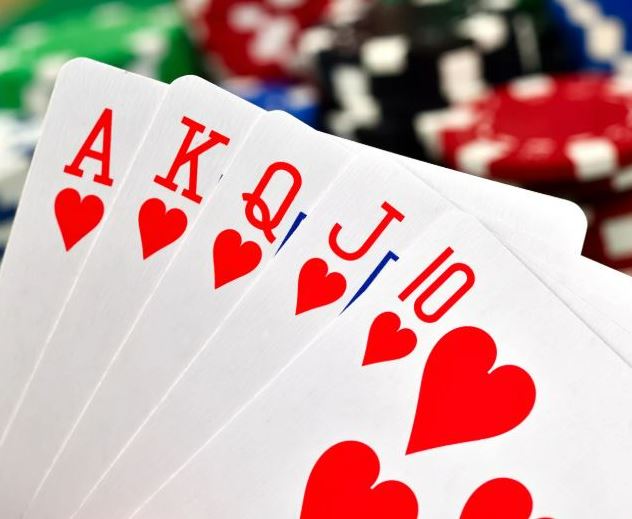
Short Deck Poker adjusts the order of some hands because the card pool is tighter. A royal flush remains the strongest possible outcome, but several familiar positions can shift.
In many versions, a flush ranks above a full house as it is harder to form with fewer cards. You will also find that straights are more common than in full-deck games, while four of a kind appears a touch more often thanks to the condensed deck. In some rule sets, three of a kind can outrank a straight for the same reason: the maths behind how often each hand appears has changed.
Exact rankings can differ depending on the version you play. A quick check of the hand order on the game screen may remove any doubt before the first deal.
How Do Betting Rounds Work in Short Deck Poker?
Short Deck usually follows the same betting structure you see in hold’em, with community cards on the table and betting rounds in between. While names and small details can vary by provider, the flow stays consistent.
Pre-Flop Betting Explained
Each player receives two private cards at the start. This opening stage is called the pre-flop. A round of betting follows, moving around the table. Players can match the current bet, add more, or fold their hand. The round ends when all active players have matched the highest bet.
Post-Flop, Turn, and River Betting
Three community cards, known as the flop, are then placed face-up. Another betting round gives players a chance to respond to what they can see. The fourth card is called the turn, followed by more betting, and finally the fifth card, the river, after which there is a final round of bets. If two or more players remain, the best five-card hand using any combination of personal and community cards wins.
Some online versions might tweak bet sizes or table positions, so it could be worth checking the on-screen rules to see how that table runs.
Play Casino Games Online
If you have ever thought about exploring a wider range of casino games from home, 666 Casino offers a simple starting point. You will find a variety of options on the site, including card games and slots, each with clear information and easy navigation. Whether you like familiar classics or newer releases, the library is updated regularly.
All games are provided under a UKGC licence, with rules and key details presented in plain view so you can make informed choices. You can browse game types and read how each title works before you consider playing.
Support is on hand if you need help using the site or want to set account tools such as deposit limits. If you decide to register, the process is straightforward and unlocks the full suite of features. For those curious about Short Deck Poker or anything else in the lobby, feel free to take a look around and see what stands out to you. Always keep responsible gambling practices in mind.
**The information provided in this blog is intended for educational purposes and should not be construed as betting advice or a guarantee of success. Always gamble responsibly.
*All values (Bet Levels, Maximum Wins etc.) mentioned in relation to these games are subject to change at any time. Game features mentioned may not be available in some jurisdictions.