Which Lottery Has Best Odds: Find the Best Lottery to Play UK
Thinking about which UK lottery gives you a better chance of a meaningful win? With so many draws to pick from, the differences in odds and prizes matter more than you might think.
Bigger jackpots usually come with longer odds. Some smaller games offer shorter odds and more frequent wins, but the top prizes are lower. Knowing where each draw sits on that scale makes it easier to choose what suits you.
In this guide, we compare the main UK lotteries and explain how odds and prize tiers work, so you can weigh up size versus probability with clear numbers.
Which Lottery Has The Best Odds In The UK?
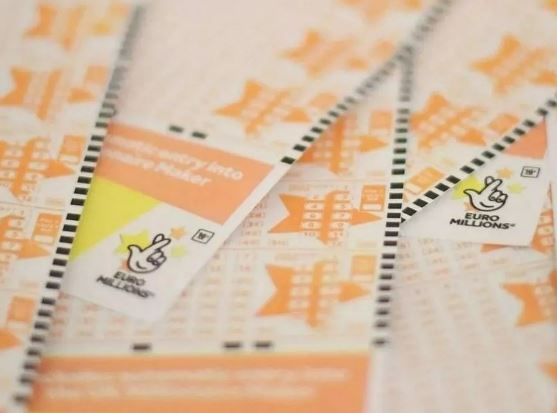
If your priority is the strongest chance of a top prize, a few games stand out.
Thunderball offers 1 in 8,060,598 odds for its £500,000 top prize, which is far shorter than Lotto or EuroMillions. The Health Lottery is even shorter at around 1 in 2,118,760 for its top prize, although the headline amount is smaller.
Set For Life sits between these extremes. The odds of the top prize are 1 in 15,339,390, paying £10,000 a month for 30 years. By contrast, Lotto sits at 1 in 45,057,474 for the jackpot, and EuroMillions at 1 in 139,838,160.
Top prize odds are only part of the picture though. Many players rate a game by how often it pays anything at all.
Which Lottery Has The Best Odds Of Winning Any Prize?
If you are happy with any win rather than only the jackpot, the comparison shifts.
UK Lotto gives odds of about 1 in 9 for winning any prize, helped by lower tiers for matching fewer numbers. Thunderball and EuroMillions both sit around 1 in 13 for any prize. Set For Life is roughly 1 in 12, so it is a touch more frequent than most.
Instant win games and scratchcards sometimes pay smaller amounts more often, but the main draws typically offer larger prizes when they do pay out.
If your focus is the top tier, read on, because those odds look very different.
Which Lottery Has The Best Odds Of Winning The Jackpot?
For the very top prize, shorter odds tend to come with lower jackpots.
Thunderball’s jackpot odds are 1 in 8,060,598 for £500,000. The Health Lottery’s top prize has odds of about 1 in 2,118,760. Both are far easier to land than the main Lotto or EuroMillions jackpots, which trade longer odds for bigger top prizes.
Lotto sits at 1 in 45,057,474, and EuroMillions at 1 in 139,838,160. Jackpots across all games remain rare, so it helps to pick based on whether you value probability or prize size more.
Are EuroMillions Odds Better Than UK Lotto?
For the main jackpot, UK Lotto is considerably easier to win than EuroMillions. Matching six numbers on Lotto is about 1 in 45 million, while matching five numbers plus two Lucky Stars on EuroMillions is about 1 in 139 million.
EuroMillions often builds much larger jackpots, sometimes running into hundreds of millions of pounds, which is why the odds are so long. For any prize, the two games are closer. Lotto is roughly 1 in 9, while EuroMillions is around 1 in 13 thanks to its many lower tiers.
To see how these differences play out across structures and tiers, it helps to look at each game side by side.
Comparison Of Odds: EuroMillions Vs UK Lotto Vs Thunderball Vs Set For Life
Choosing between the main games gets easier once you understand how each prize structure and set of odds works.
EuroMillions Odds And Prize Structure
EuroMillions is known for very large jackpots that can exceed £100 million. To win the jackpot, you need five main numbers and two Lucky Stars, with odds of 1 in 139,838,160.
There are 13 prize tiers, starting from matching two main numbers. Lower tiers often pay modest amounts, and the odds of winning any prize are about 1 in 13.
UK Lotto Odds And Prize Structure
UK Lotto jackpots often reach into the millions. Matching all six numbers has odds of 1 in 45,057,474.
There are six prize levels, including a small payout for matching two numbers. The odds of any prize are roughly 1 in 9.
Thunderball Odds And Prize Structure
Thunderball’s top prize is £500,000 for matching five numbers plus the Thunderball, with odds of 1 in 8,060,598.
There are nine prize tiers in total. Even matching just the Thunderball can return a small cash prize, and the odds of any prize are around 1 in 13.
Set For Life pays £10,000 a month for 30 years as its top prize at odds of 1 in 15,339,390. Its tiers are designed to deliver regular smaller wins alongside that long-term top payout, which is why it often appeals to players who like steady income over a single cheque.
These contrasts come from the number of possible combinations and how prize funds are spread across tiers, which brings us to the mechanics behind the odds.
How Do Lottery Odds And Prize Tiers Work?
Lottery odds show the likelihood of a specific outcome on a single entry. They are based on how many number combinations are possible. The more combinations in play, the longer the odds for the top prize.
Most draws use multiple tiers. Matching fewer numbers lands smaller amounts more frequently, while the jackpot sits at the top with long odds. That balance makes it possible to have both occasional big wins and more common lower-tier returns without changing the basic probability of each outcome.
Ticket Cost And Expected Return
Ticket prices differ between games, and that matters when you compare value.
A UK Lotto line costs £2. EuroMillions is £2.50 per line in the UK. Thunderball and the Health Lottery are £1 per line, and Set For Life is £1.50 per line.
It is also worth thinking about expected return, meaning the average amount paid back per pound over time. Big-jackpot games usually devote a higher share of the prize fund to the top tier, so average returns are more concentrated. Games with smaller top prizes often spread more across lower tiers, which can mean more frequent smaller wins.
Whatever you choose, set a clear budget and treat the cost as payment for taking part rather than money you expect to get back.
Common Myths About Lottery Odds
Plenty of myths circulate around lottery draws, and they muddy the waters.
One is that certain numbers or patterns have a better chance than others. In reality, every valid combination has the same probability in each draw. Past results do not make a future result more or less likely.
Another is that buying tickets regularly builds towards an inevitable win. More entries increase the number of chances on that draw, but the probability on each individual line stays the same.
Some believe that systems or past data can predict the next outcome. Draws are designed to be independent and random within the rules of each game, so patterns in previous results do not provide an edge.
So, rather than chasing theories, pick the game that fits your preferences and budget.
Choosing The Right Lottery For Your Goals
It pays to decide what you value most before you pick a game.
If you are aiming for the largest possible jackpot and accept very long odds, EuroMillions or Lotto will appeal. If shorter odds are more important to you, Thunderball and the Health Lottery tilt the balance towards probability over size.
If the idea of regular income is attractive, Set For Life’s £10,000 a month for 30 years offers a different kind of top prize. Think about whether you prefer a single windfall or steady payments, then match that to the odds and ticket price you are comfortable with.
Choose the draw that suits your goals and budget, enjoy the experience on your terms, and go in with clear expectations about the probabilities.
**The information provided in this blog is intended for educational purposes and should not be construed as betting advice or a guarantee of success. Always gamble responsibly.